A 18 by László Moholy-Nagy
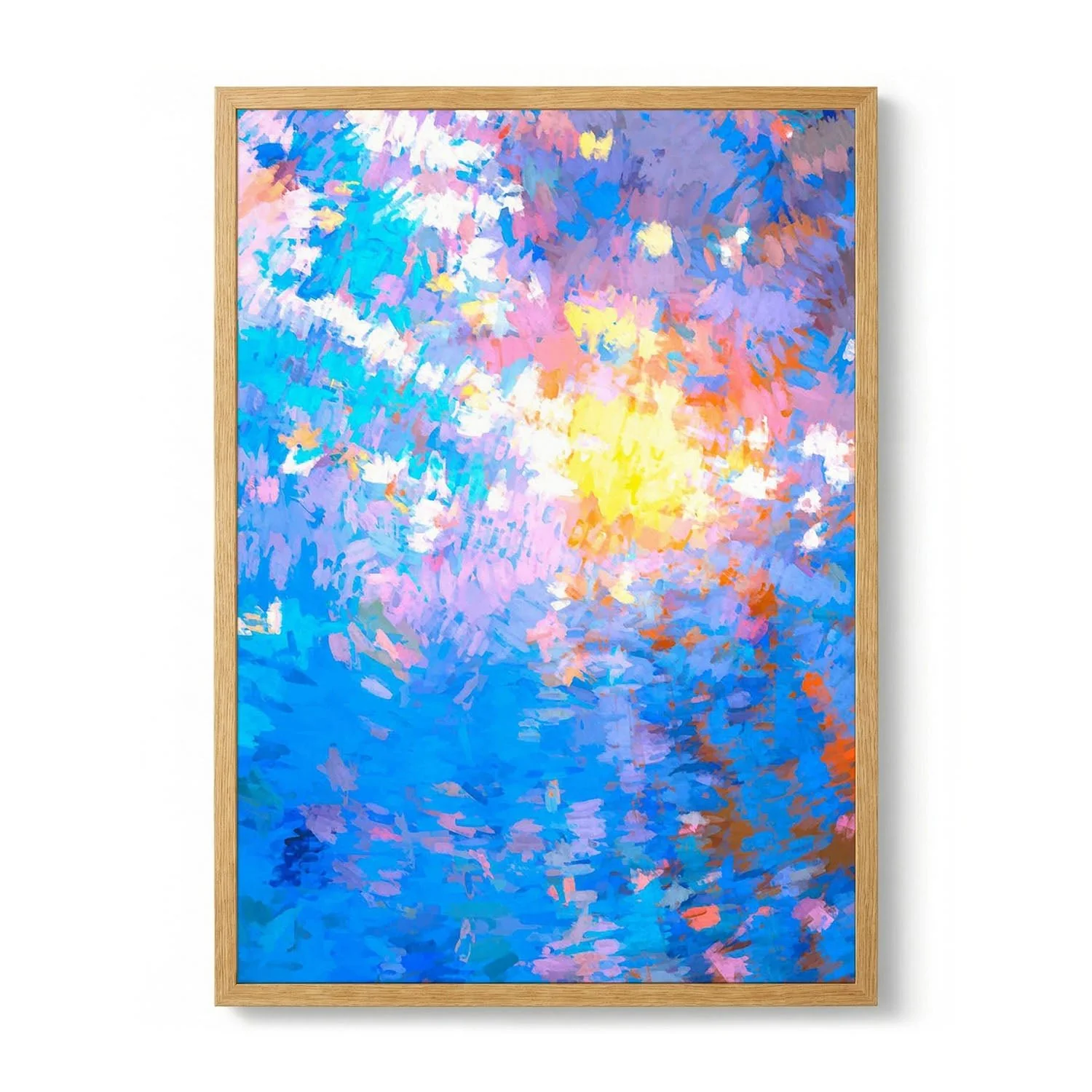
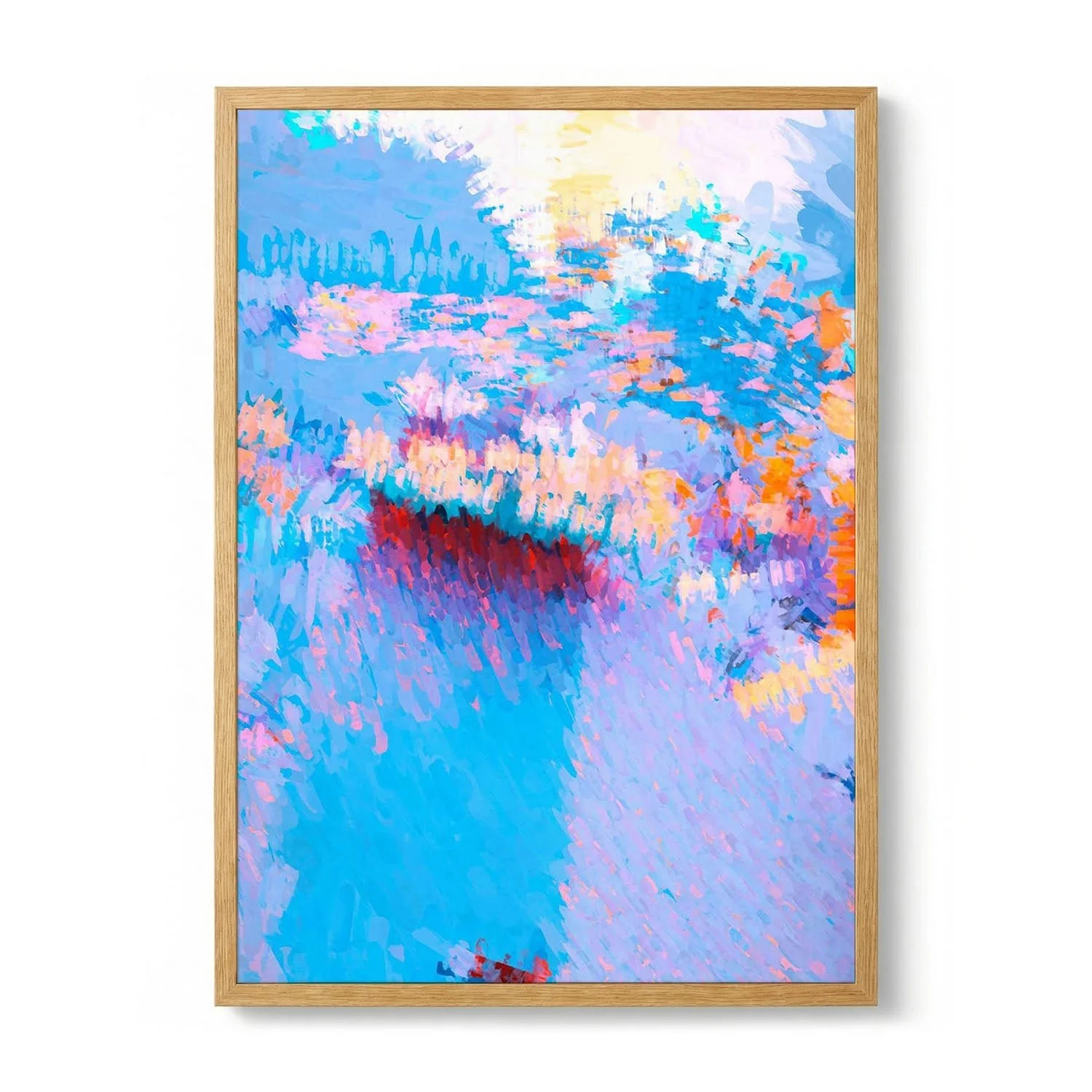
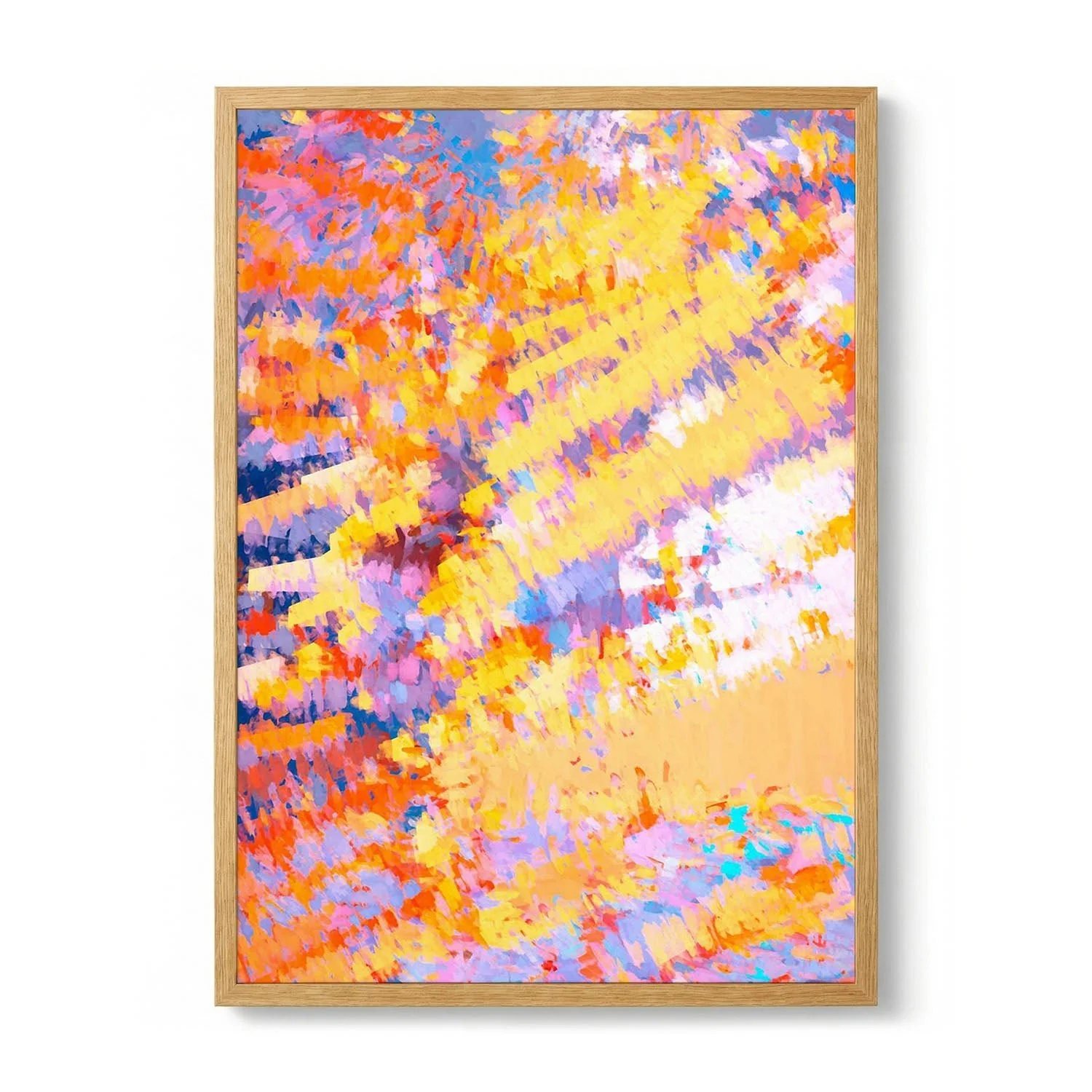
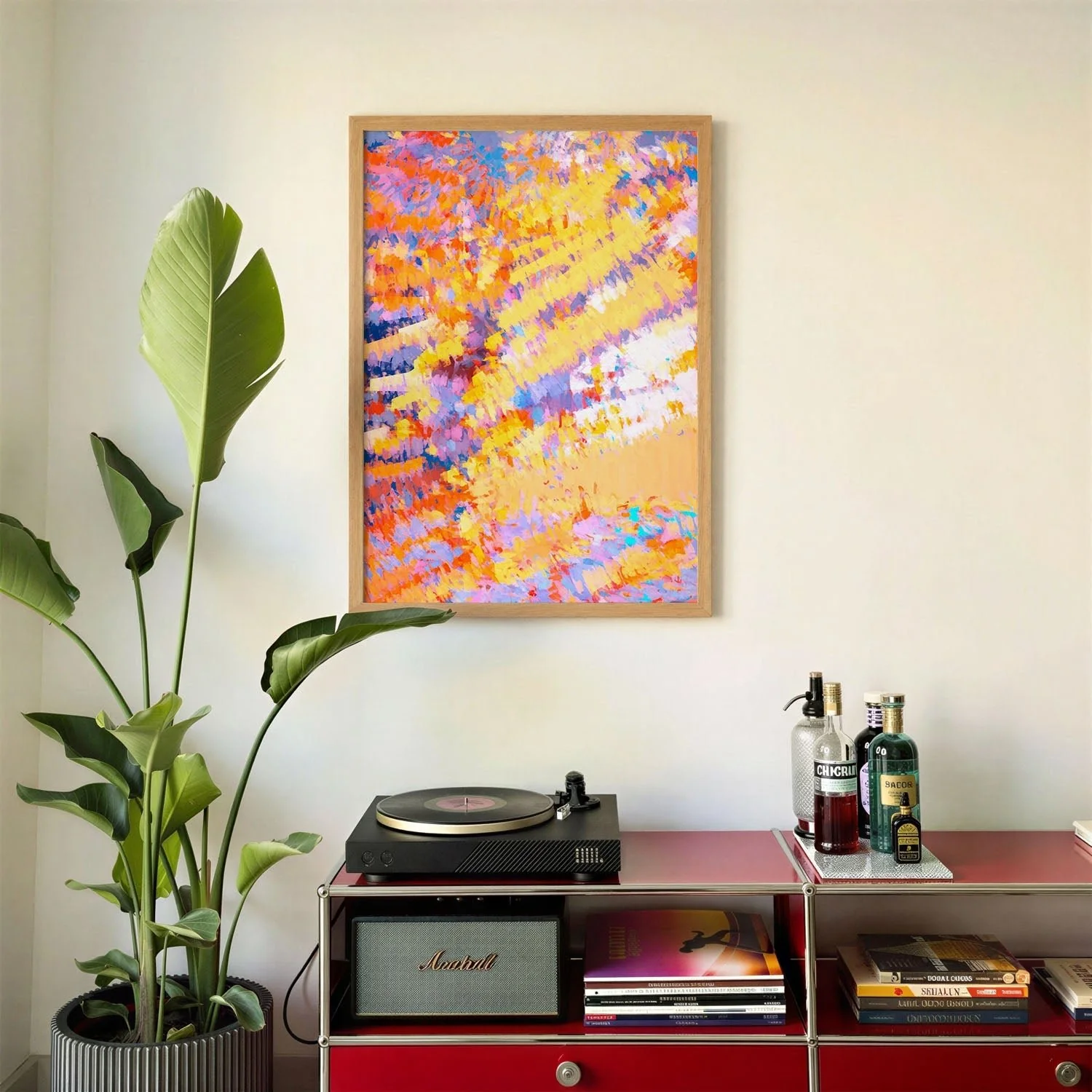
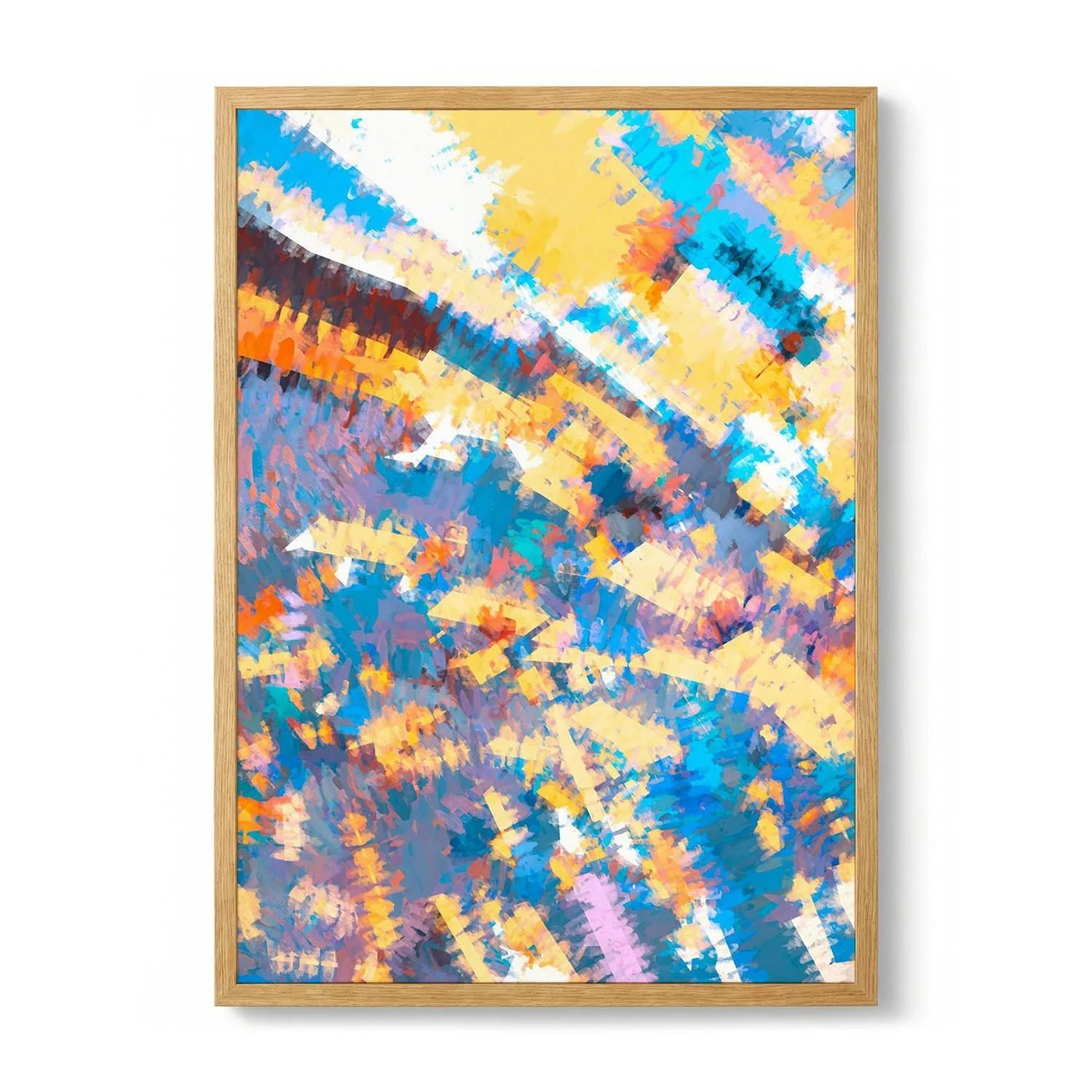
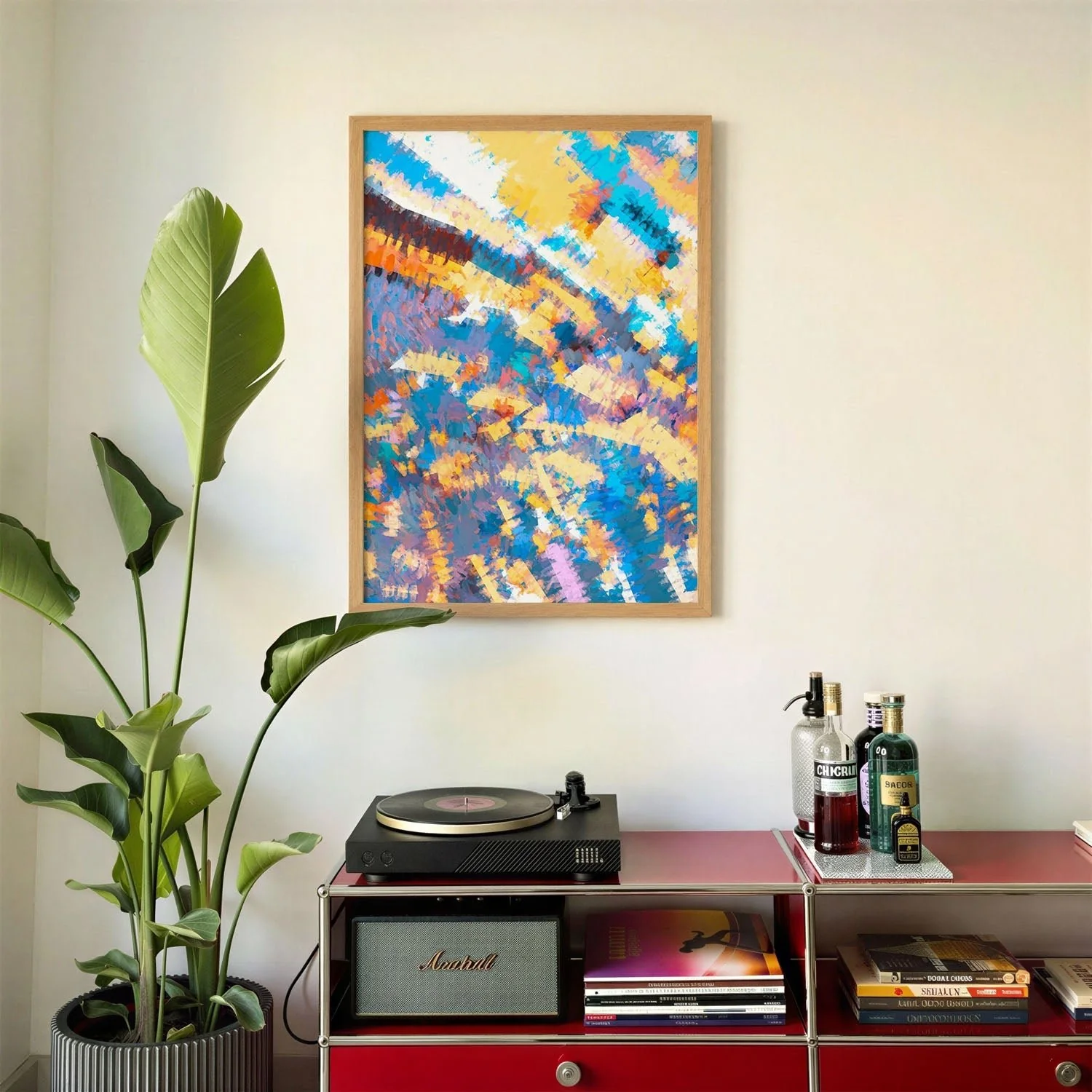
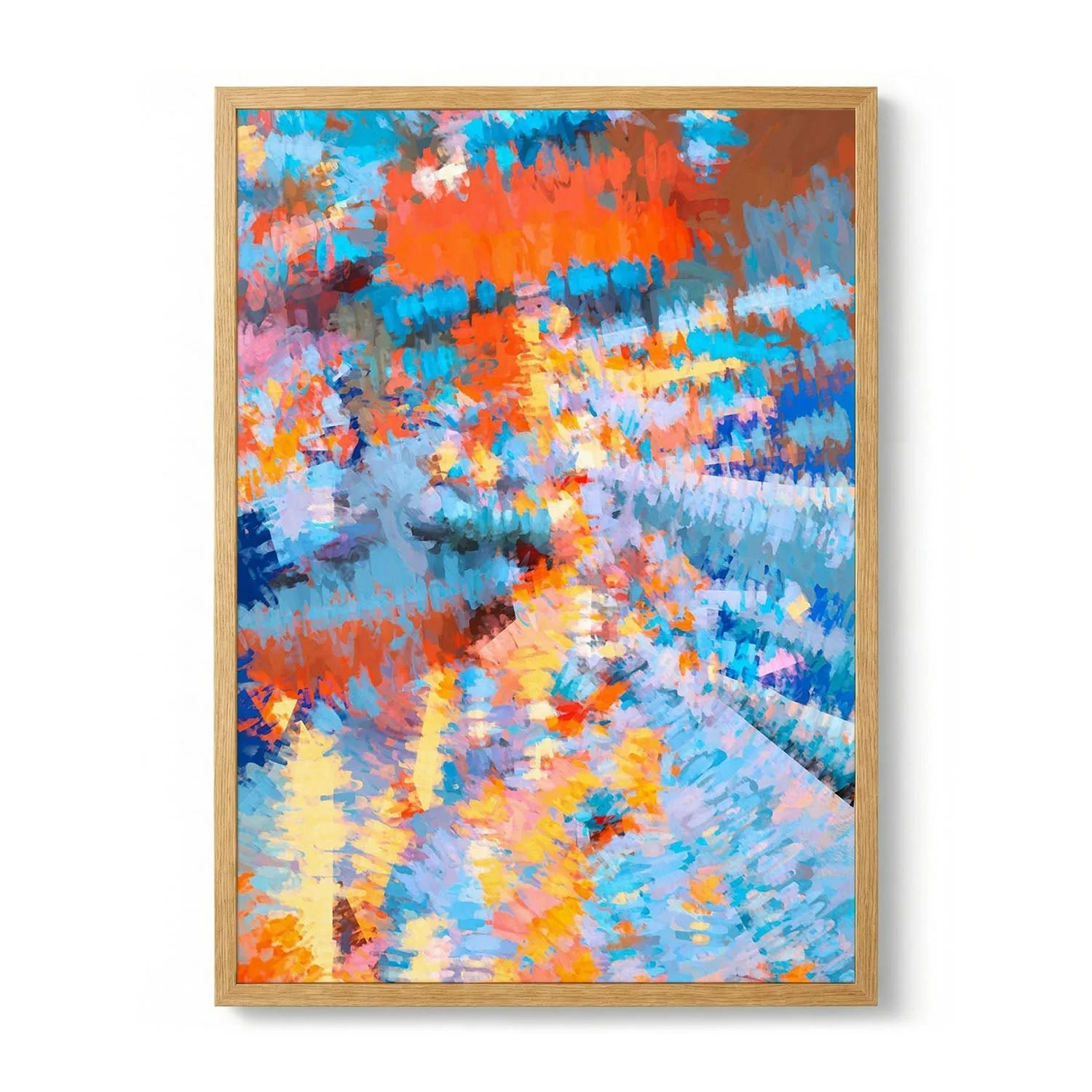
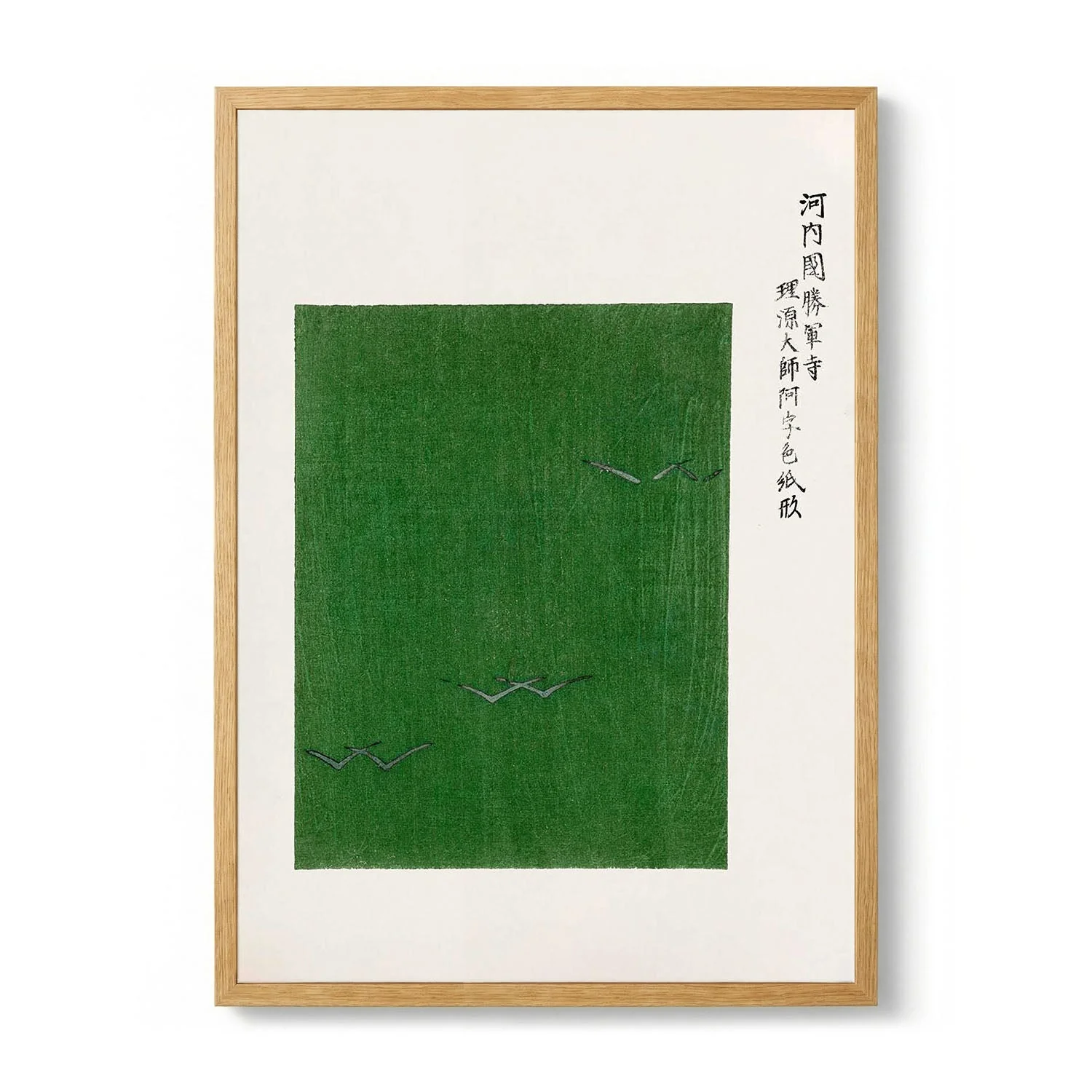
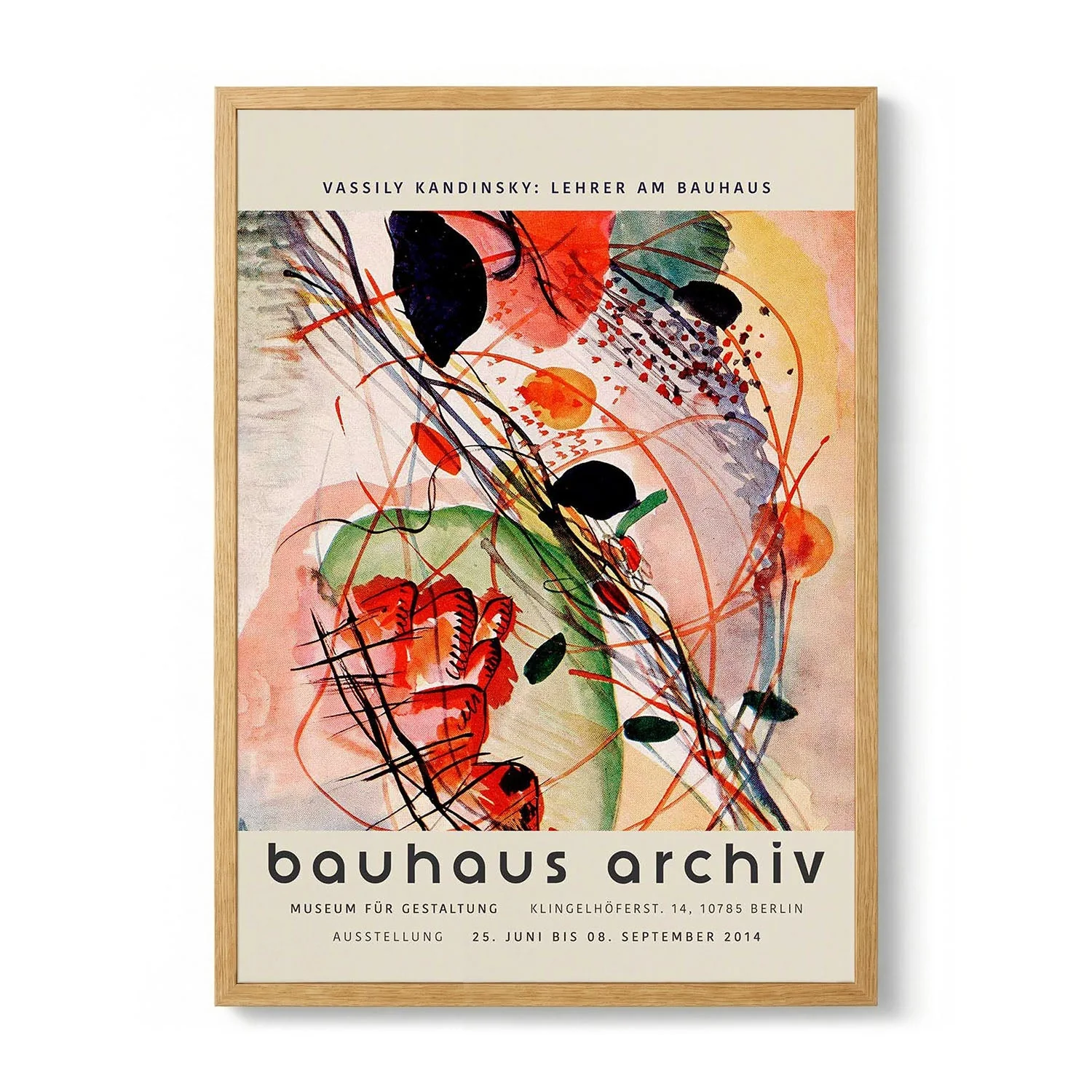
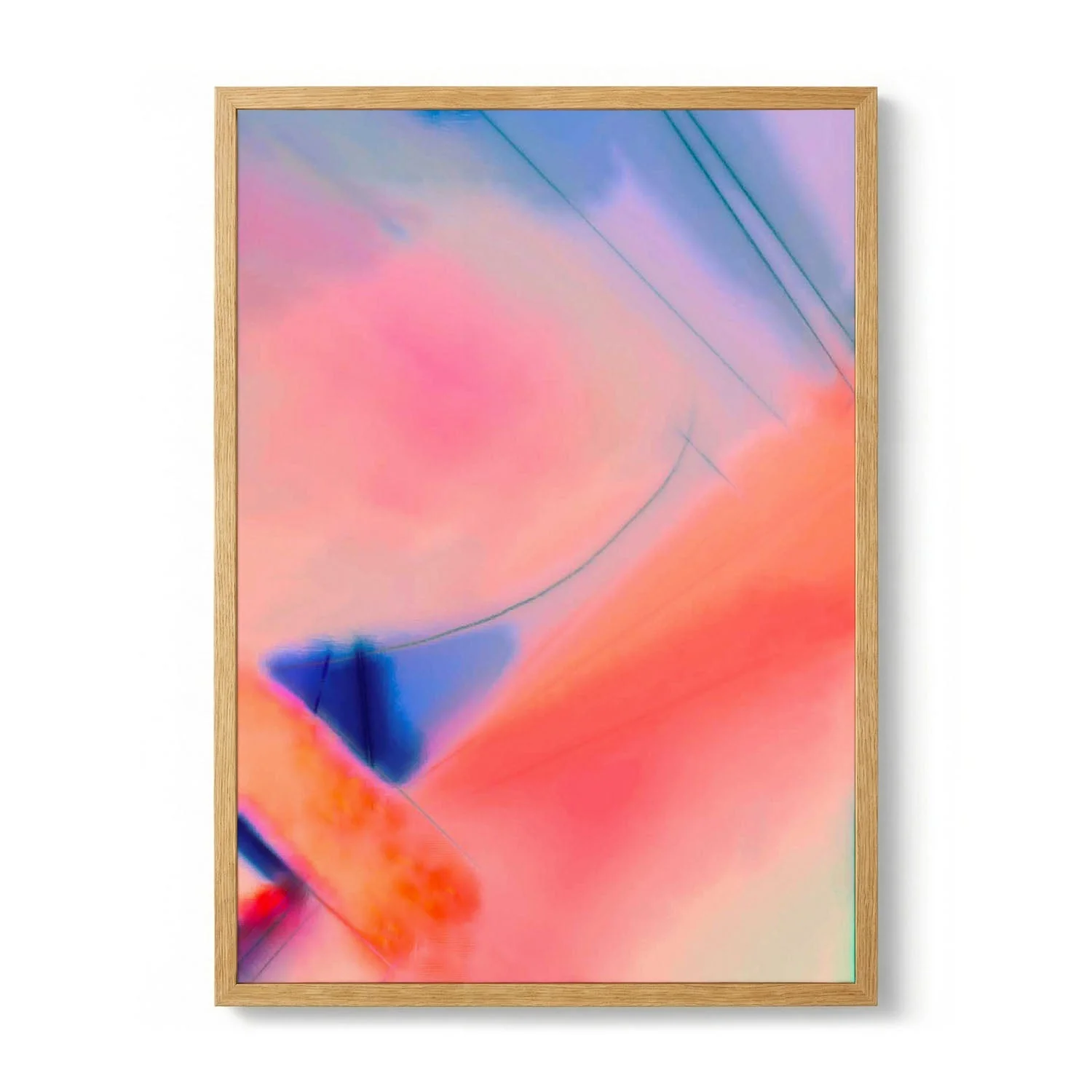
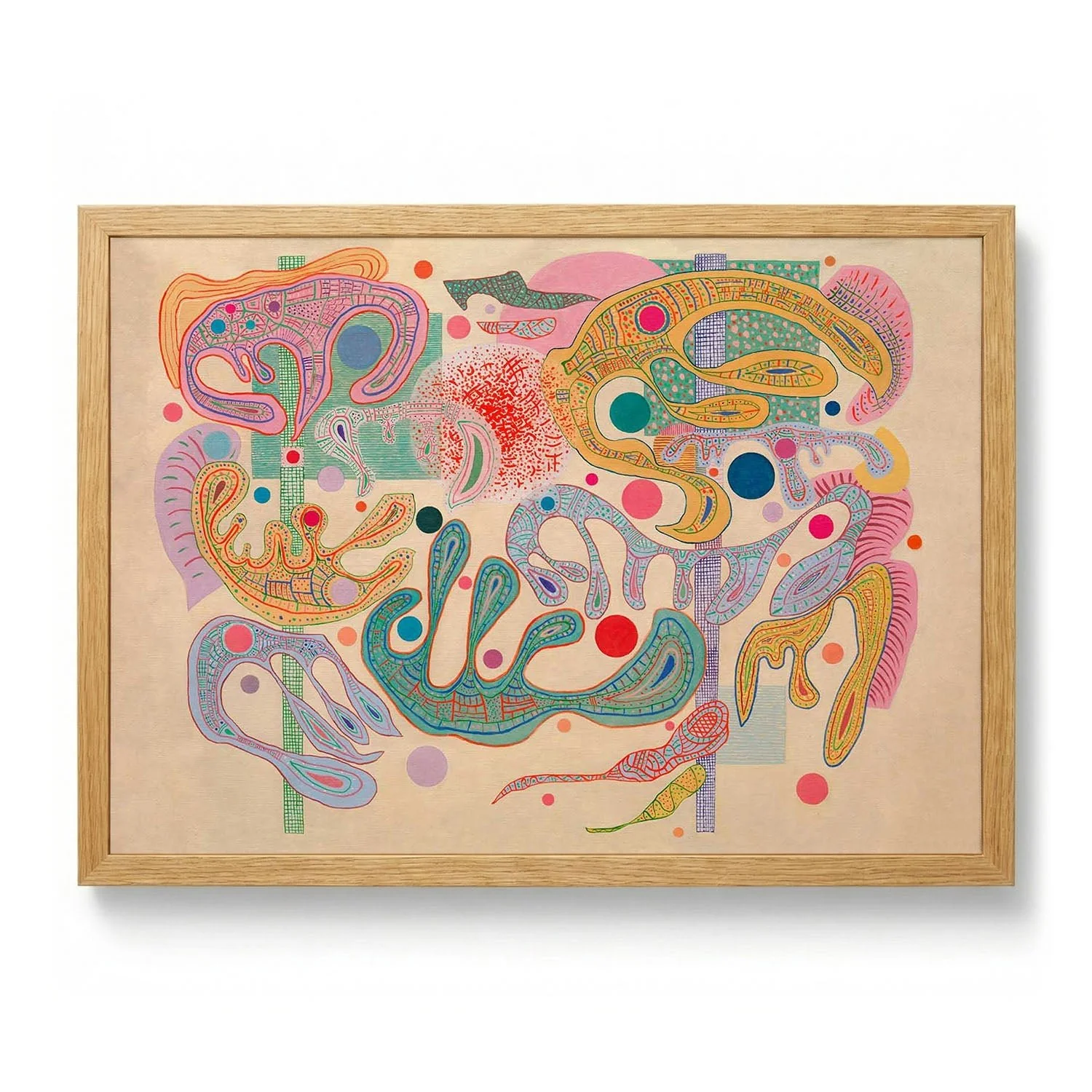
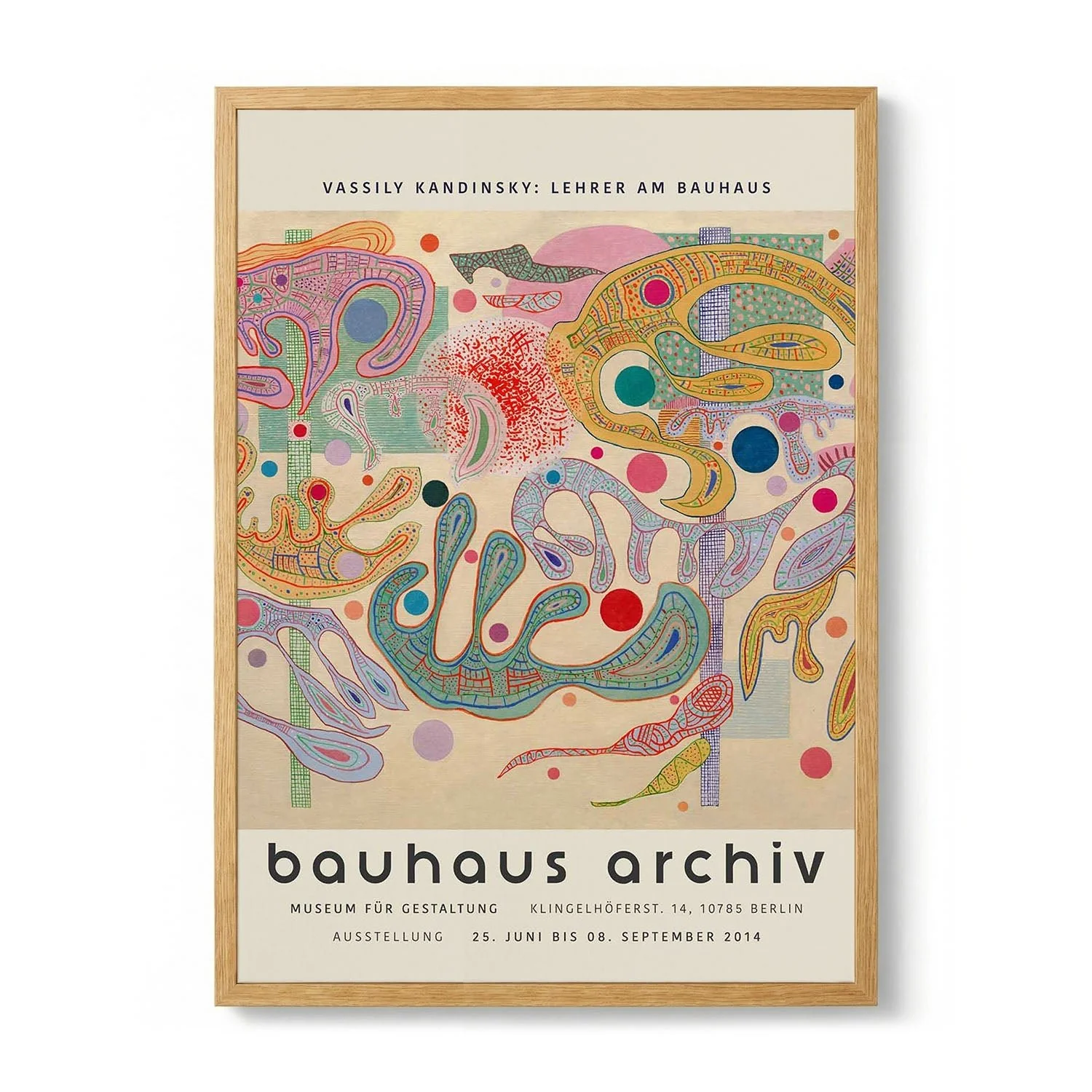
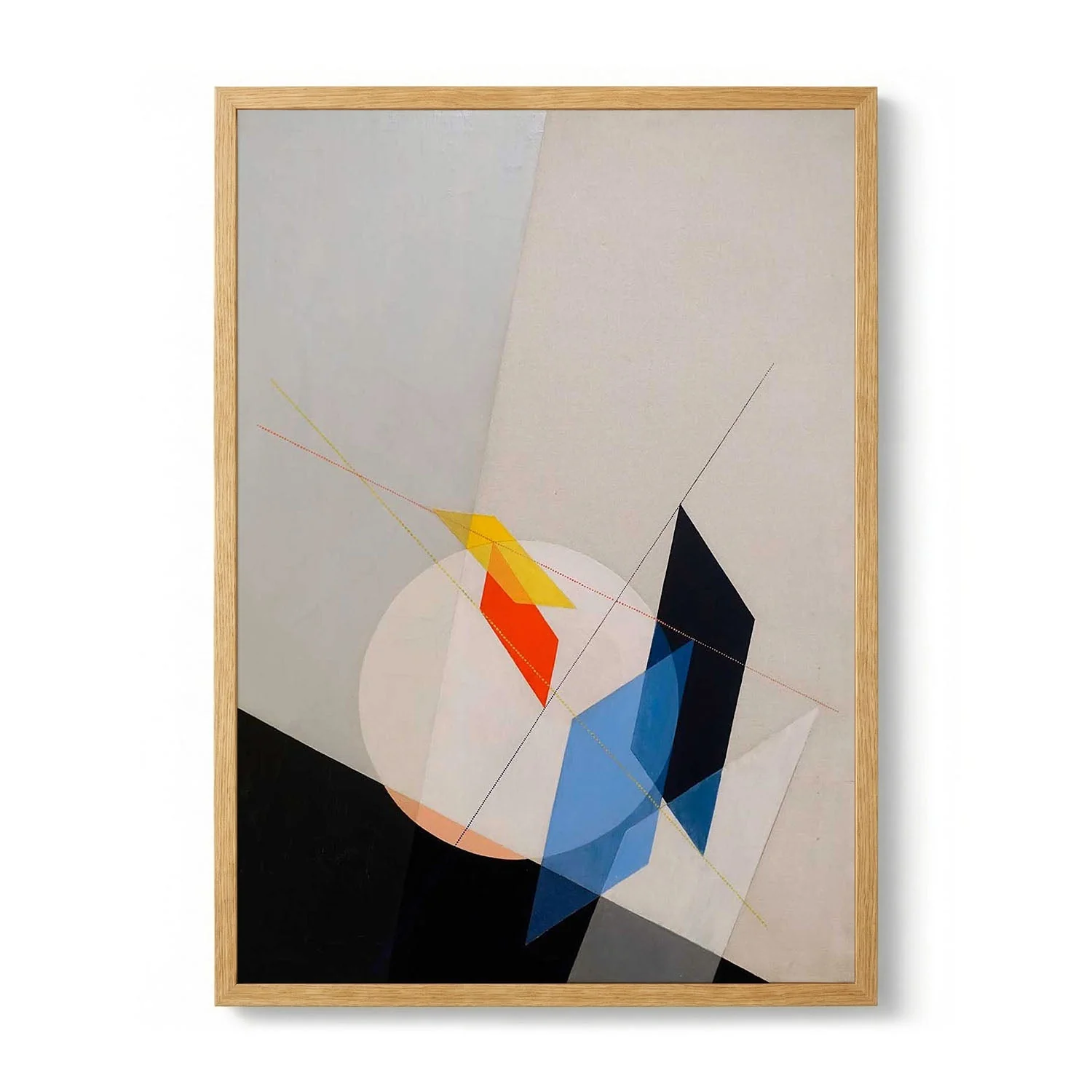
A 18 by Laszlo Moholy-Nagy reflects the Bauhaus artist's drive to unite art, technology, and industry within a single composition. Influenced by Constructivism, the piece favors abstract geometric forms, layered shapes, and a considered balance between structure and openness. Working across collage and design, the artist approached image-making with an experimental, forward-looking spirit, treating composition as a kind of visual research. The result is a piece defined by clean lines, geometric clarity, and a rhythmic interplay of positive and negative space, characteristic of the era's bold modernist thinking.
As an archival fine art print, the geometric forms and fine collage detail render with sharp precision, preserving the crisp lines and tonal clarity central to this modernist composition on smooth, detail-ready fine art paper.
A 18 by Laszlo Moholy-Nagy reflects the Bauhaus artist's drive to unite art, technology, and industry within a single composition. Influenced by Constructivism, the piece favors abstract geometric forms, layered shapes, and a considered balance between structure and openness. Working across collage and design, the artist approached image-making with an experimental, forward-looking spirit, treating composition as a kind of visual research. The result is a piece defined by clean lines, geometric clarity, and a rhythmic interplay of positive and negative space, characteristic of the era's bold modernist thinking.
As an archival fine art print, the geometric forms and fine collage detail render with sharp precision, preserving the crisp lines and tonal clarity central to this modernist composition on smooth, detail-ready fine art paper.
Original: $29.69
-65%$29.69
$10.39Description
A 18 by Laszlo Moholy-Nagy reflects the Bauhaus artist's drive to unite art, technology, and industry within a single composition. Influenced by Constructivism, the piece favors abstract geometric forms, layered shapes, and a considered balance between structure and openness. Working across collage and design, the artist approached image-making with an experimental, forward-looking spirit, treating composition as a kind of visual research. The result is a piece defined by clean lines, geometric clarity, and a rhythmic interplay of positive and negative space, characteristic of the era's bold modernist thinking.
As an archival fine art print, the geometric forms and fine collage detail render with sharp precision, preserving the crisp lines and tonal clarity central to this modernist composition on smooth, detail-ready fine art paper.