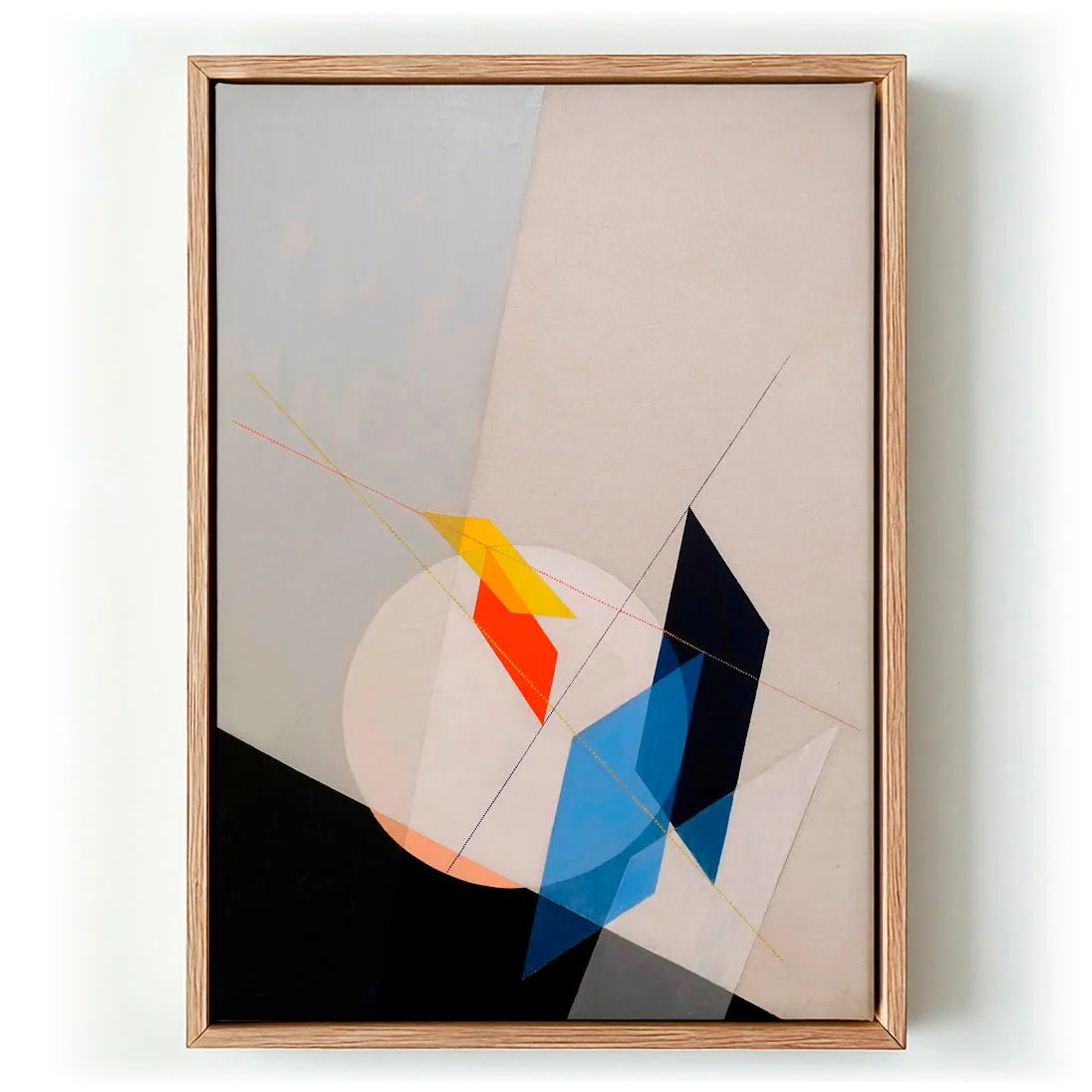
A 18 by László Moholy-Nagy
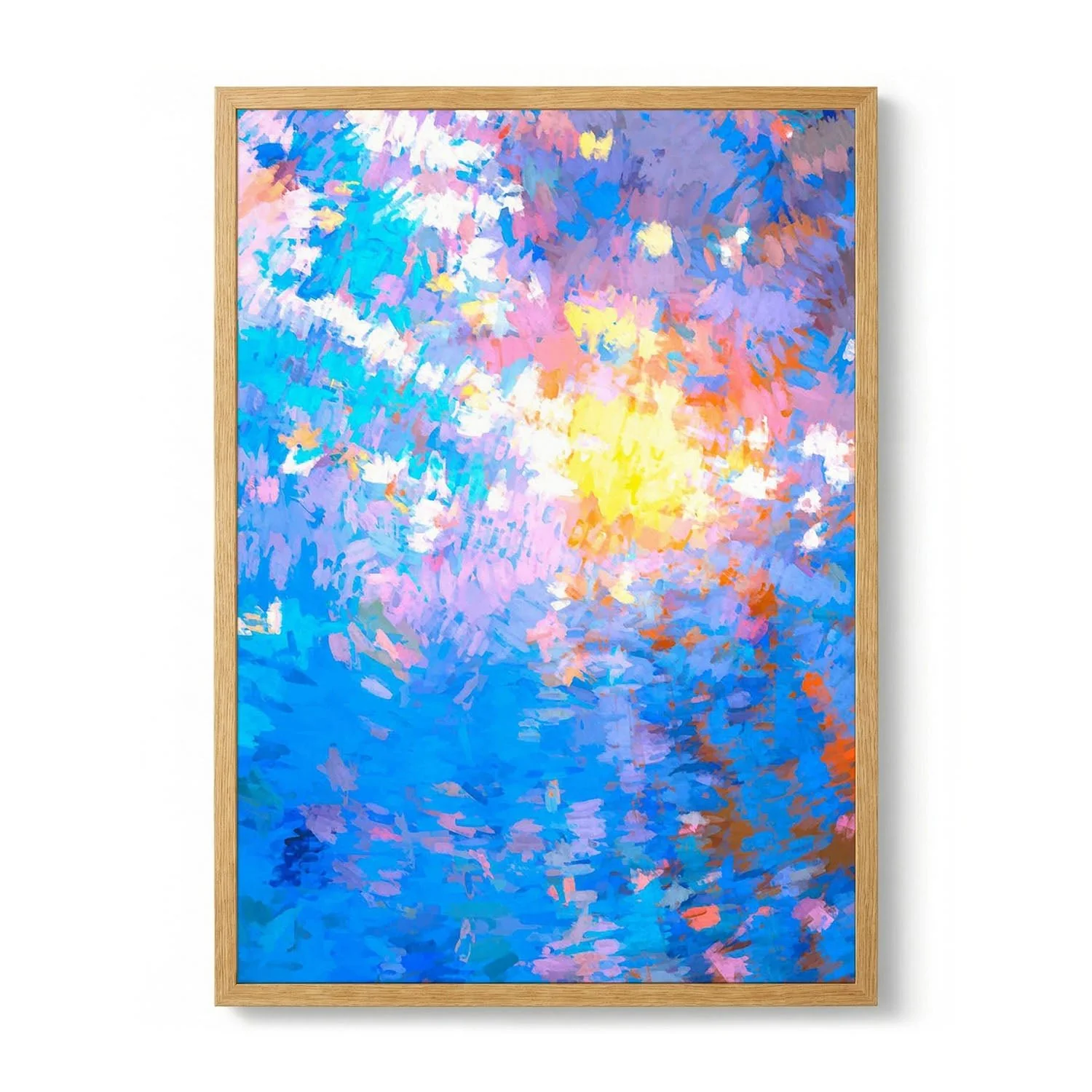
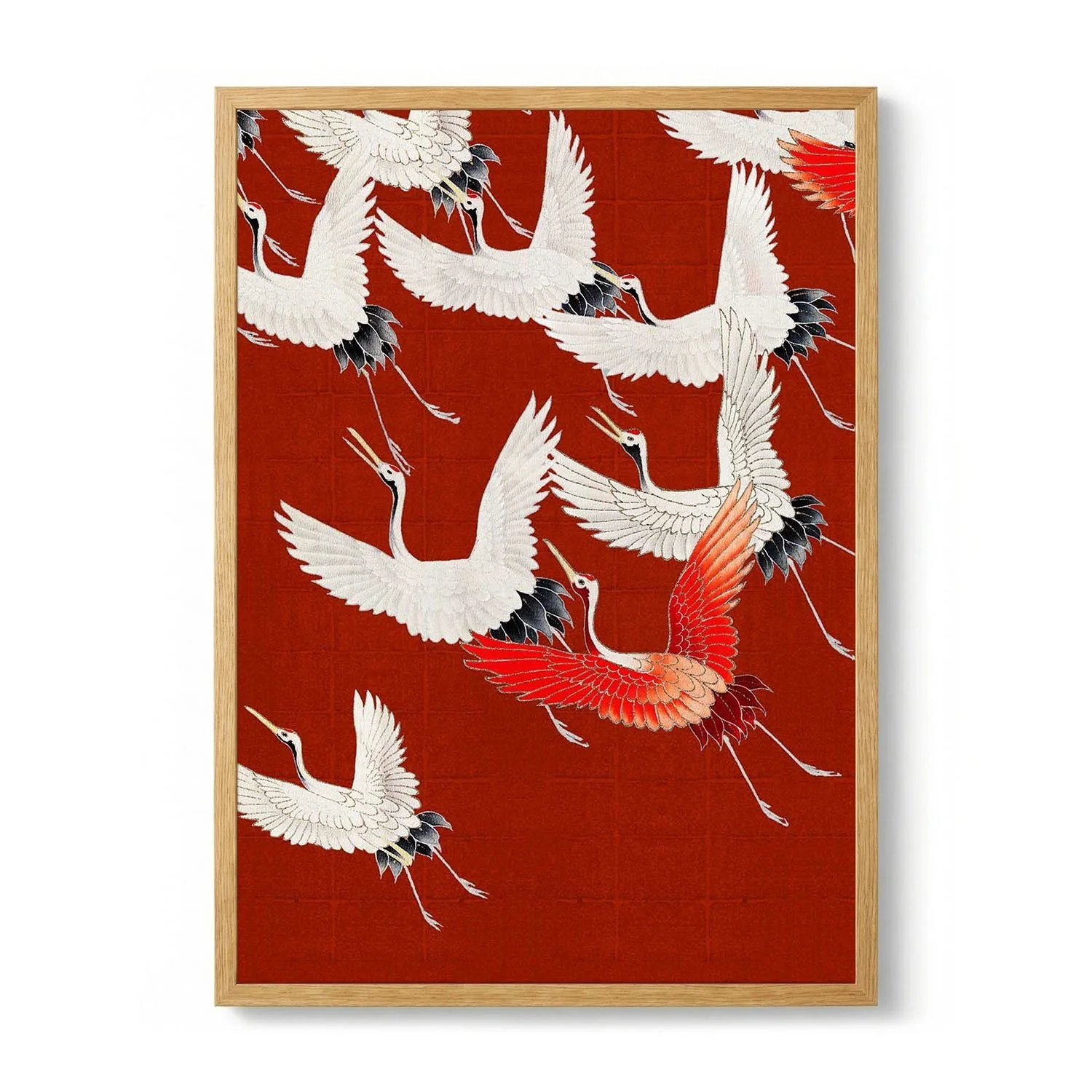
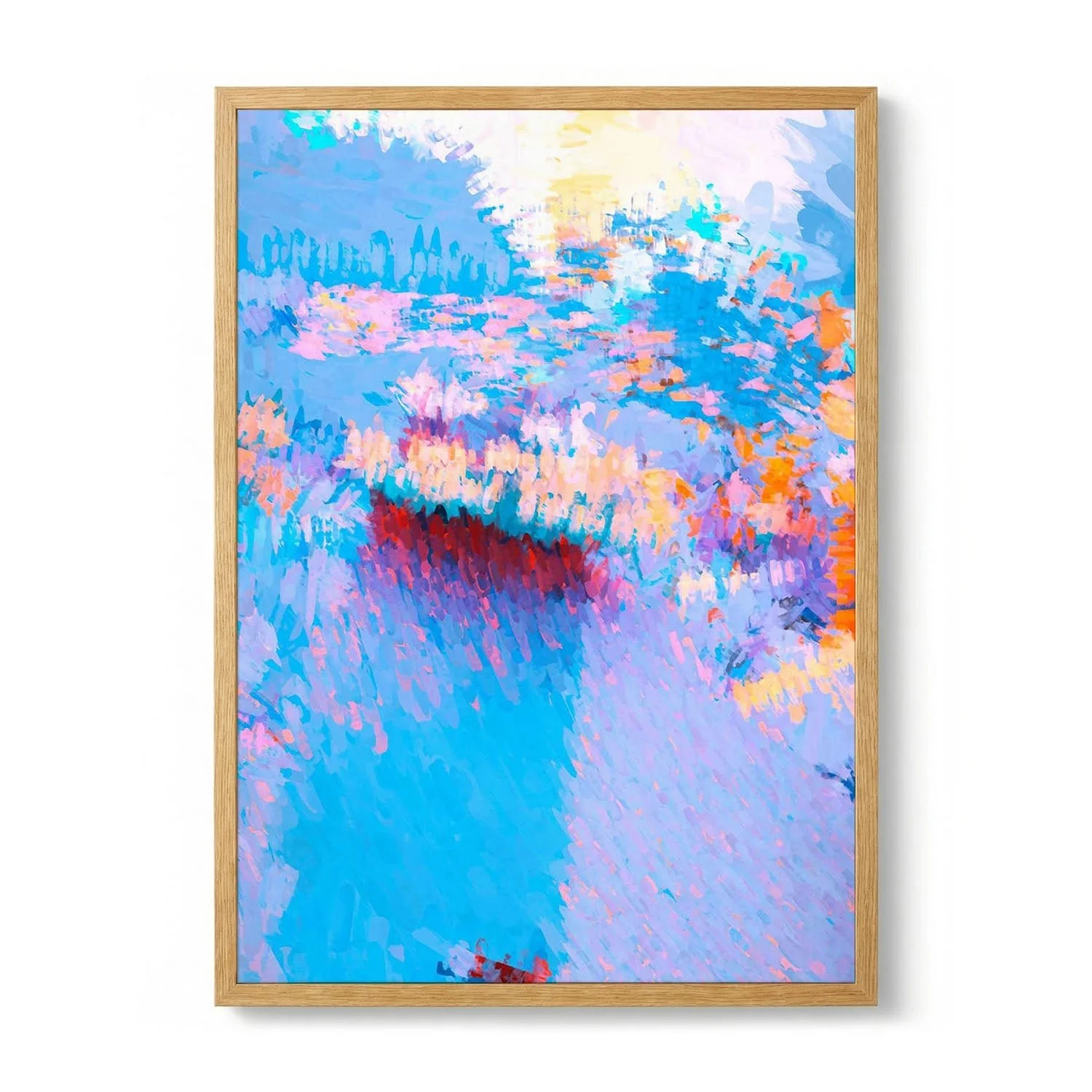
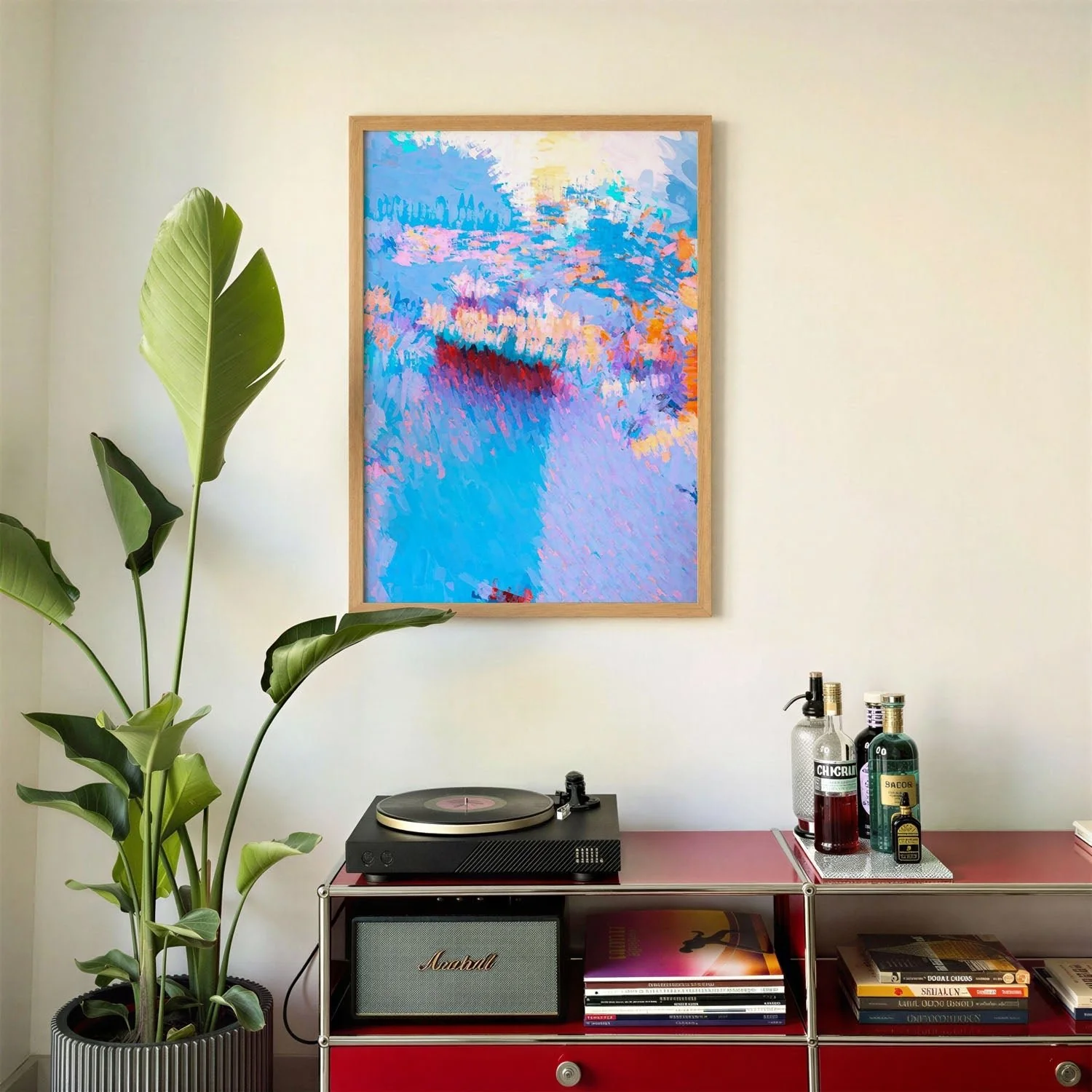
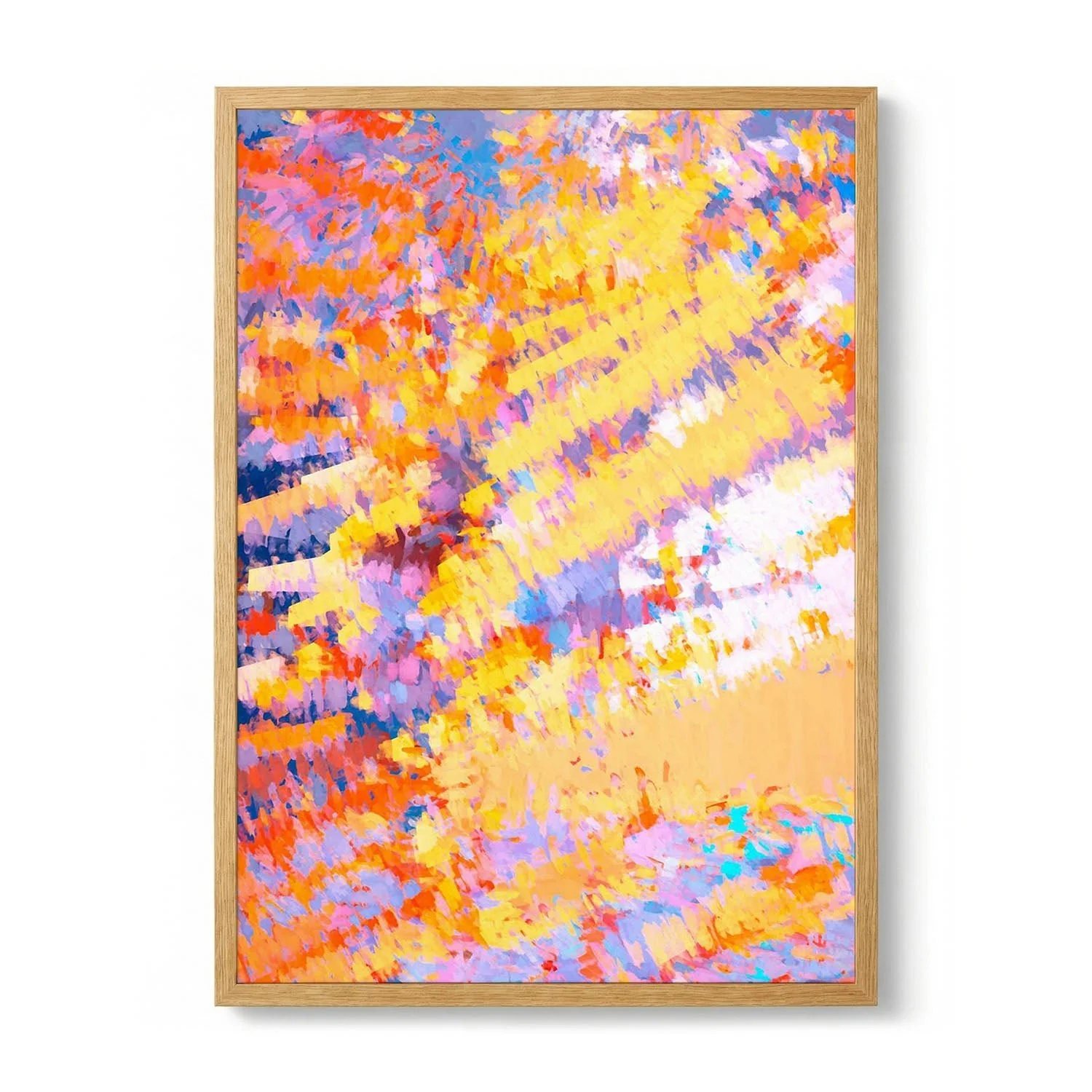
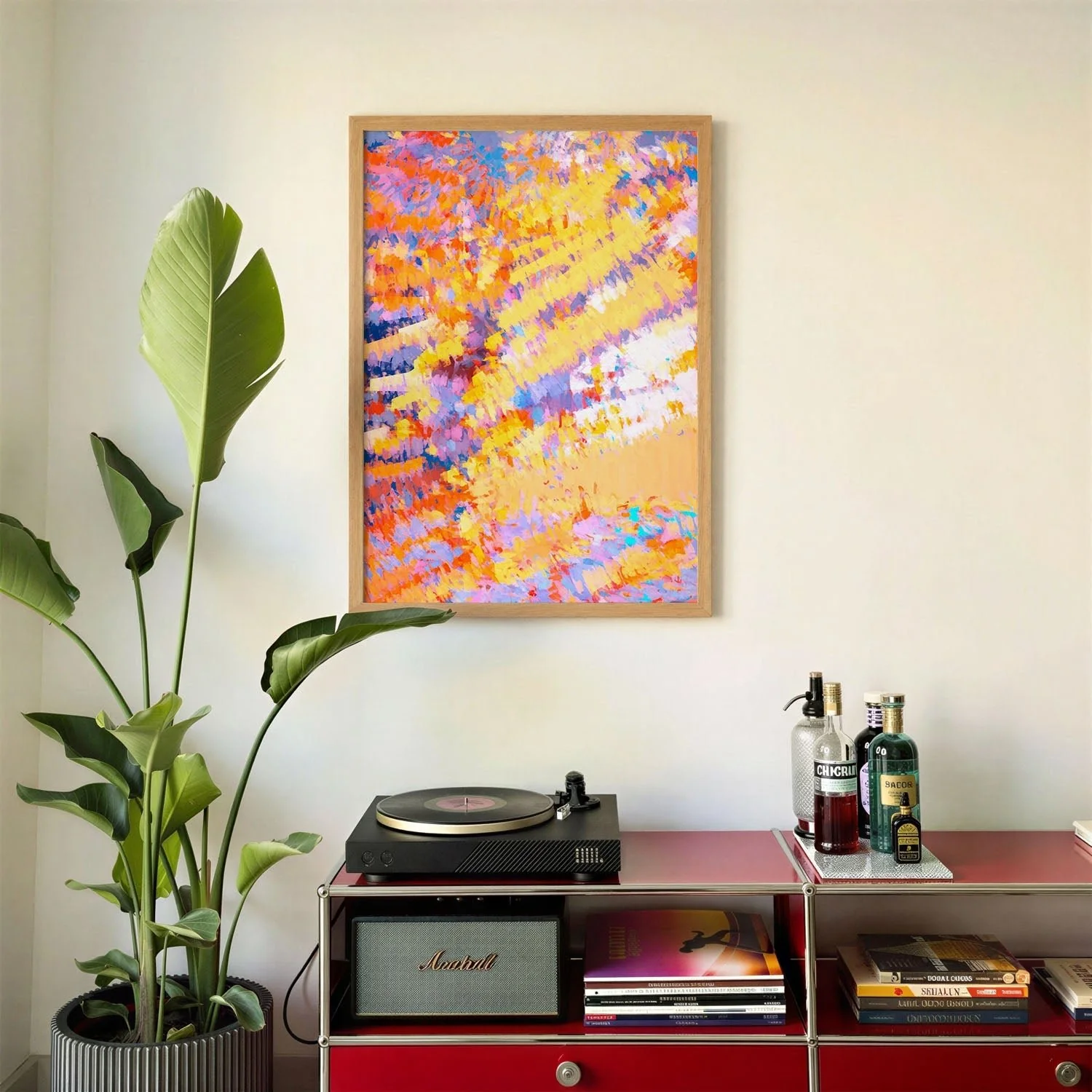
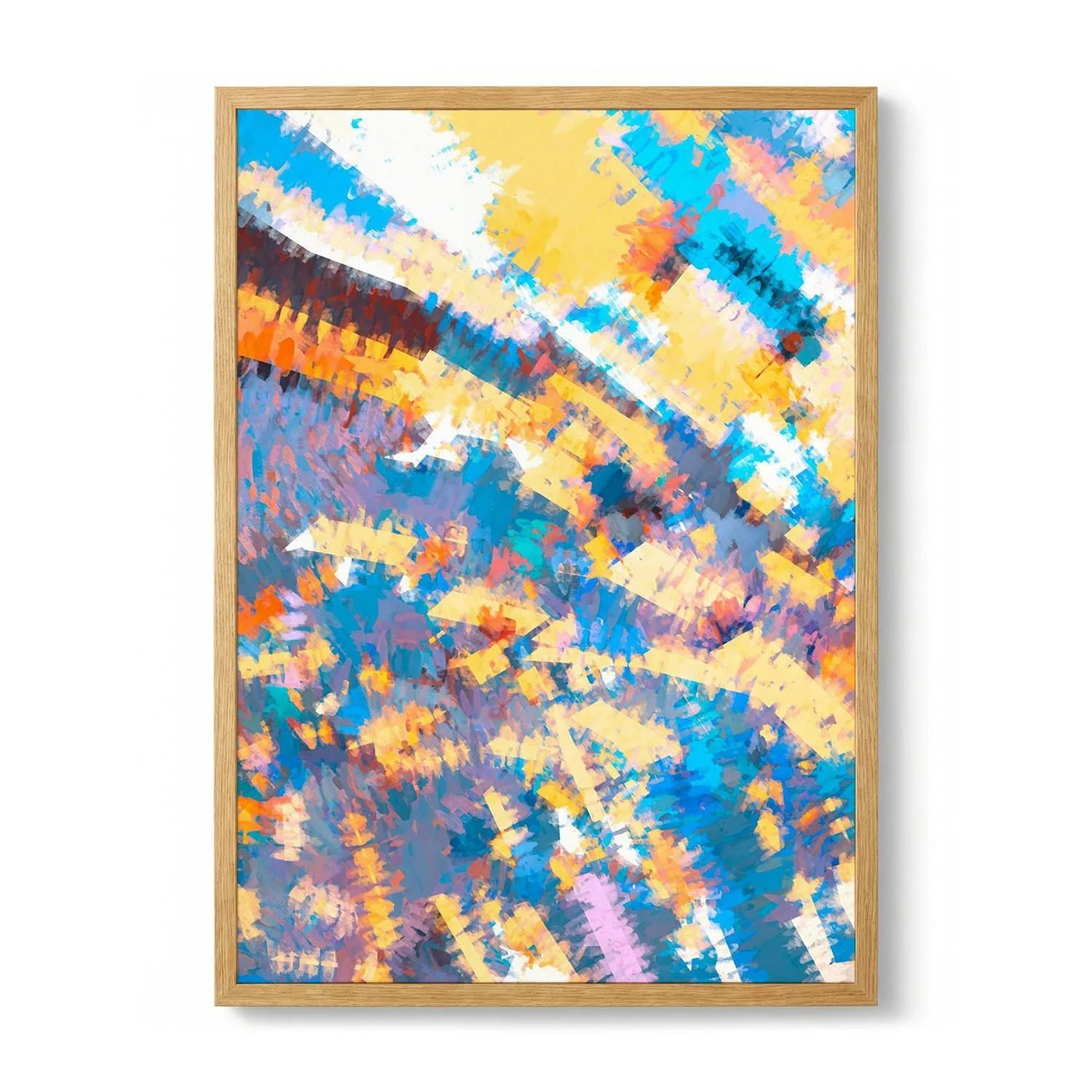
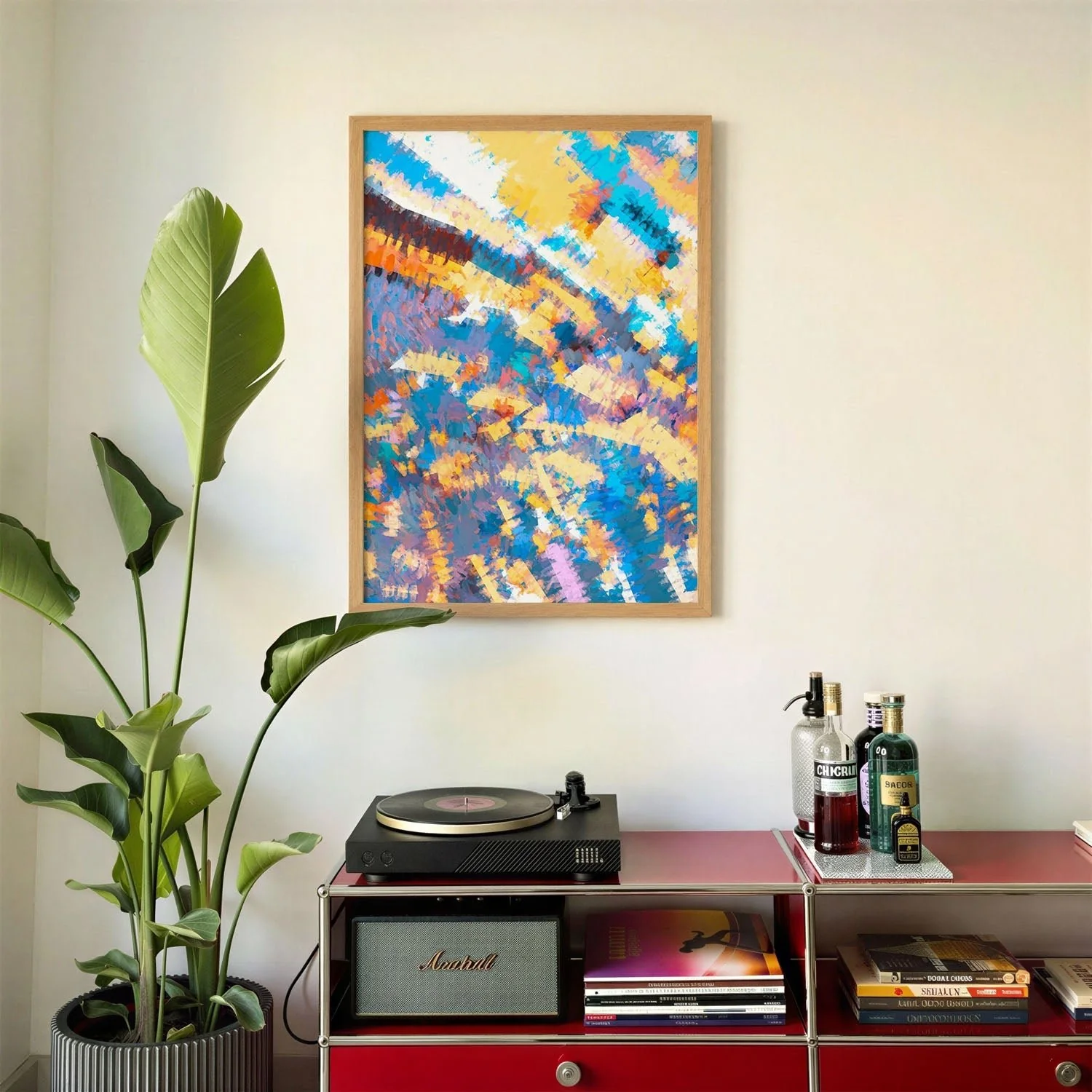
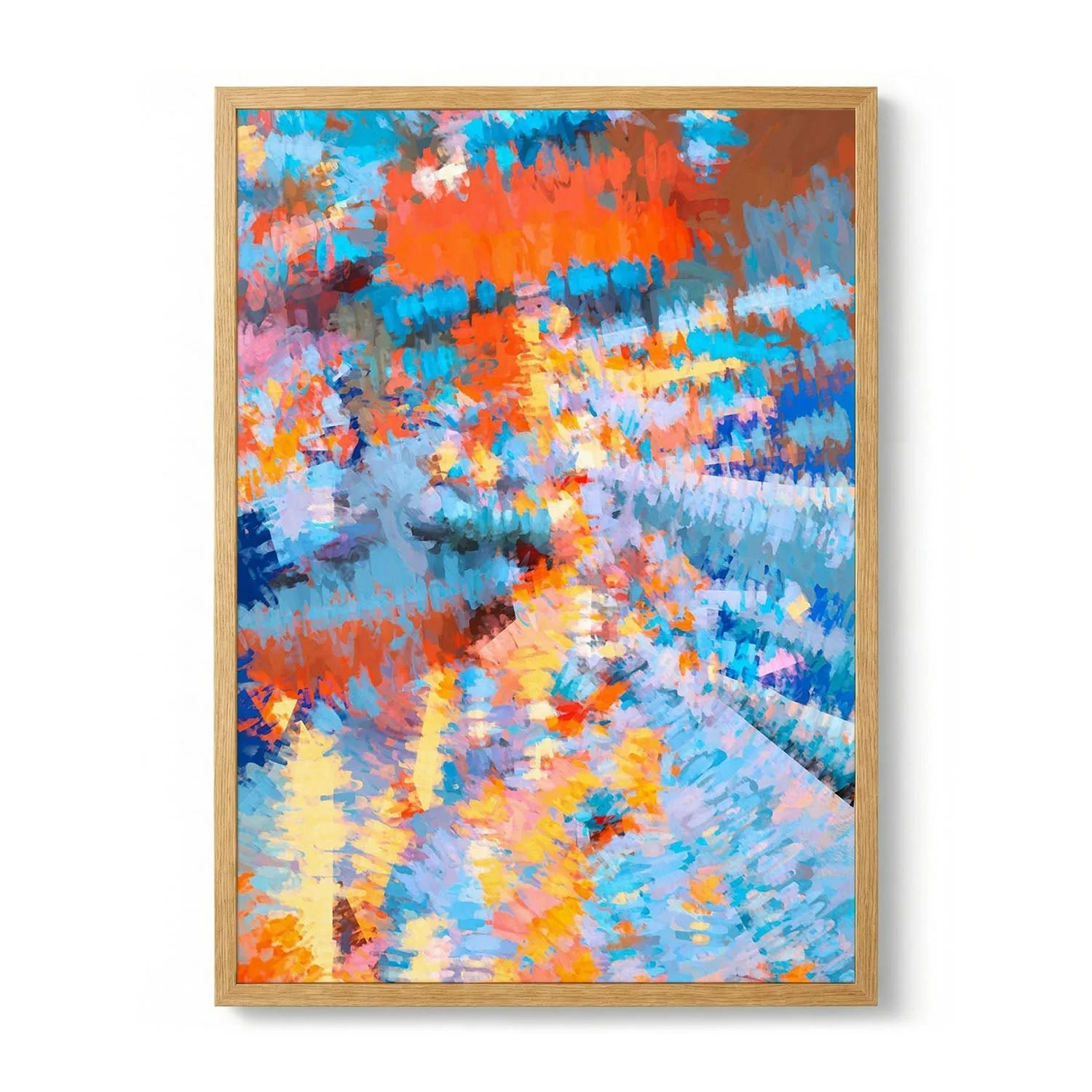
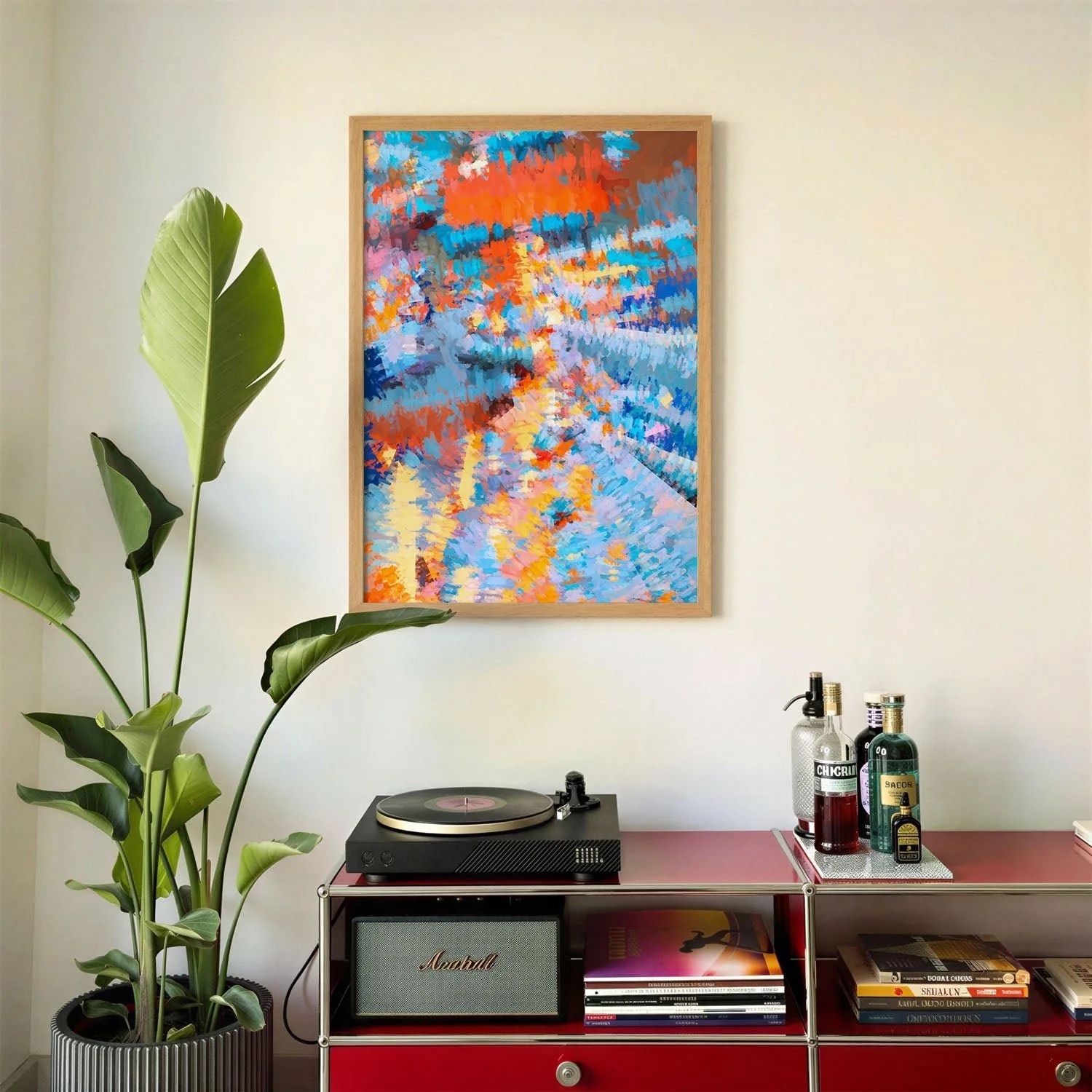
A 18 by Laszlo Moholy-Nagy reflects the Bauhaus artist's drive to unite art, technology, and industry within a single composition. Influenced by Constructivism, the piece favors abstract geometric forms, layered shapes, and a considered balance between structure and openness. Working across collage and design, the artist approached image-making with an experimental, forward-looking spirit, treating composition as a kind of visual research. The result is a piece defined by clean lines, geometric clarity, and a rhythmic interplay of positive and negative space, characteristic of the era's bold modernist thinking.
As a canvas print, the layered shapes gain a subtle, textured depth that adds warmth to the composition's geometric precision, bringing a soft dimensionality to its abstract forms across the full canvas surface and edges.
A 18 by Laszlo Moholy-Nagy reflects the Bauhaus artist's drive to unite art, technology, and industry within a single composition. Influenced by Constructivism, the piece favors abstract geometric forms, layered shapes, and a considered balance between structure and openness. Working across collage and design, the artist approached image-making with an experimental, forward-looking spirit, treating composition as a kind of visual research. The result is a piece defined by clean lines, geometric clarity, and a rhythmic interplay of positive and negative space, characteristic of the era's bold modernist thinking.
As a canvas print, the layered shapes gain a subtle, textured depth that adds warmth to the composition's geometric precision, bringing a soft dimensionality to its abstract forms across the full canvas surface and edges.
Original: $51.39
-65%$51.39
$17.99Description
A 18 by Laszlo Moholy-Nagy reflects the Bauhaus artist's drive to unite art, technology, and industry within a single composition. Influenced by Constructivism, the piece favors abstract geometric forms, layered shapes, and a considered balance between structure and openness. Working across collage and design, the artist approached image-making with an experimental, forward-looking spirit, treating composition as a kind of visual research. The result is a piece defined by clean lines, geometric clarity, and a rhythmic interplay of positive and negative space, characteristic of the era's bold modernist thinking.
As a canvas print, the layered shapes gain a subtle, textured depth that adds warmth to the composition's geometric precision, bringing a soft dimensionality to its abstract forms across the full canvas surface and edges.